About Project

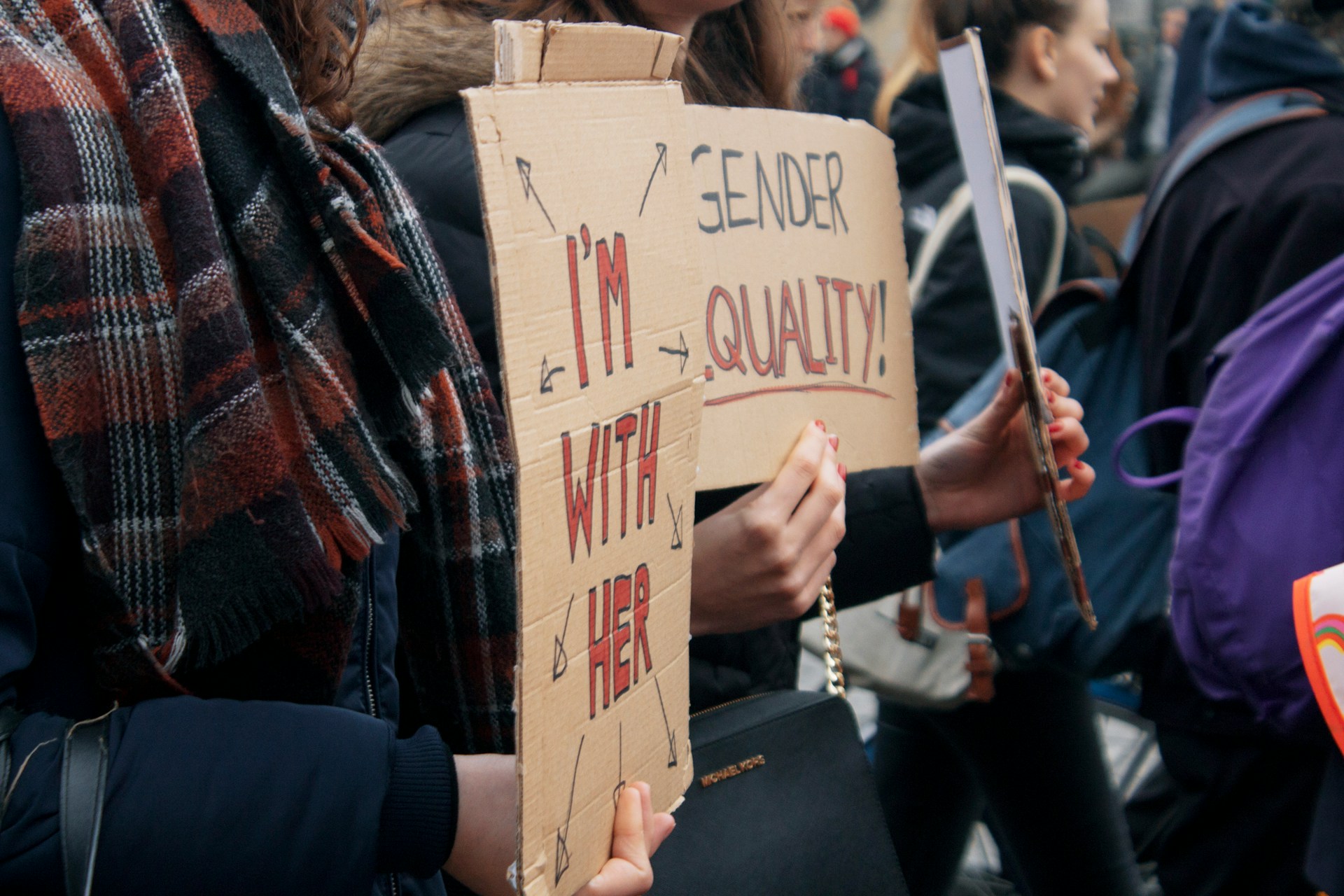
Across Europe, women and men participate in politics in different ways. Women are often more likely to sign petitions, contact public officials, and boycott products, while men tend to be more visible in voting, party politics, demonstrations, and strikes.

PROJECT INSIGHTS

Why Gender Gaps still matter

Gender Gaps examines why gender gaps in political participation remain. The analysis focuses on two key factors: national levels of gender equality and attitudes toward the roles of women and men. Covering European countries from 1999 to 2025, GEA-POL shows how gender equality and gender-role attitudes interact to influence the gender gaps in political participation.
Dashboard mockup
Dashboard mockup
WHAT WE PRODUCE

What does the project examine?

The project produces the following outputs, which will be presented on the website:
Original dataset (GEPOD), 1999–2025, openly available with codebook and replication materials
Peer-reviewed publications in high-ranked international journals
Conference presentations at international venues
International workshops for scholars, students and activists working on gender and politics
Popular science materials - infographics, short videos, social media content for non-academic audiences
Dashboard mockup
PROJECT INSIGHTS

By the numbers

Gender combines long-term data, cross-national comparison, and original research tools to provide a comprehensive understanding of gender equality and political participation in Europe. The figures below highlight the scale of the project, its analytical scope, and the key resources it delivers
25+ years
of data and analysis
30+ countries
across Europe
RESEARCH TEAM

Who is behind the project

The research team consists of scholars from the University of Warsaw working on gender, politics, and comparative research.
Read more about team
Dr. Olga Lavrinenko
Principal Investigator
Faculty of Political Science and International Studies, University of Warsaw
Isti Marta Sukma
PhD Candidate
Faculty of Political Science and International Studies, University of Warsaw
Dr. Kateryna Gryniuk
Postdoctoral Researcher
Former PM for Linear, Lambda School, and On Deck.
SUPPORT

FAQs

Here you can find answers to the most frequently asked questions about the Gender Gaps project, its objectives, data, and research outputs. If you cannot find the information you are looking for, please feel free to contact the research team.
What is Gender Gaps?
Gender Gaps is a research project that examines differences in political participation between women and men across Europe, focusing on the role of gender equality and gender-role attitudes.
What makes this project different?
The project introduces a multidimensional approach to gender-role attitudes and combines it with a comprehensive dataset on gender equality policies, offering a more nuanced understanding of participation gaps.
Which countries are included?
The project covers multiple European countries, enabling cross-national comparison and analysis of long-term trends between 1999 and 2025.
What kind of data does the project use?
The project combines original datasets on gender equality policies with survey data on gender-role attitudes, allowing for in-depth analysis of how institutions and beliefs interact.